Skills-based Hiring: A Practical Guide for Australian Teams
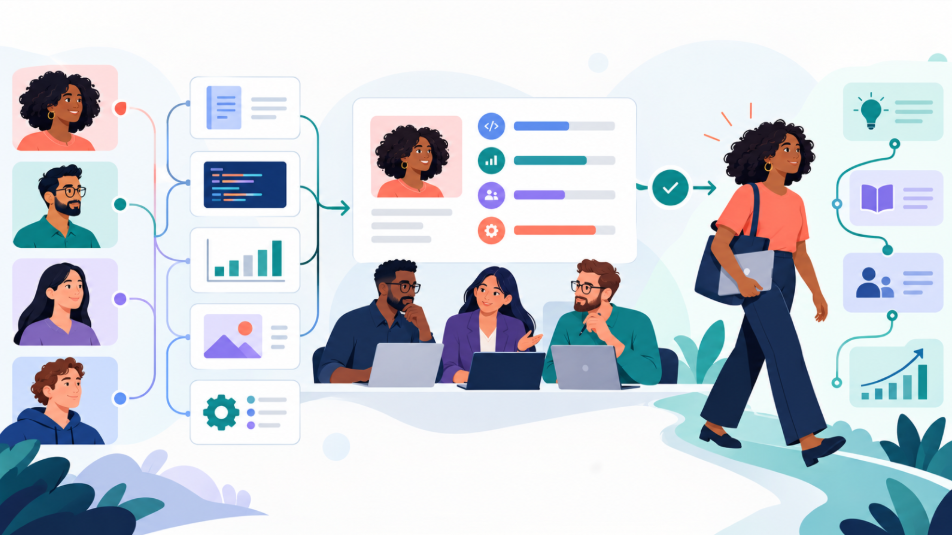
Skills-based hiring is a recruitment approach that evaluates candidates using evidence of relevant capabilities rather than relying primarily on degrees, job titles or years of experience. Employers identify the skills required for a role and assess them through structured interviews, work samples, simulations and other job-relevant methods. The same competency framework can then support onboarding and employee development.
Cultural Awareness Training That Builds Cultural Competence

A culturally difficult workplace conversation rarely announces itself in advance. It may begin with a misunderstanding between colleagues, a customer who feels unheard or a manager whose usual communication style is not working. The people involved may have good intentions, but good intentions alone do not guarantee a respectful or effective outcome.
Teaching Customer Interaction Skills Through Active Practice
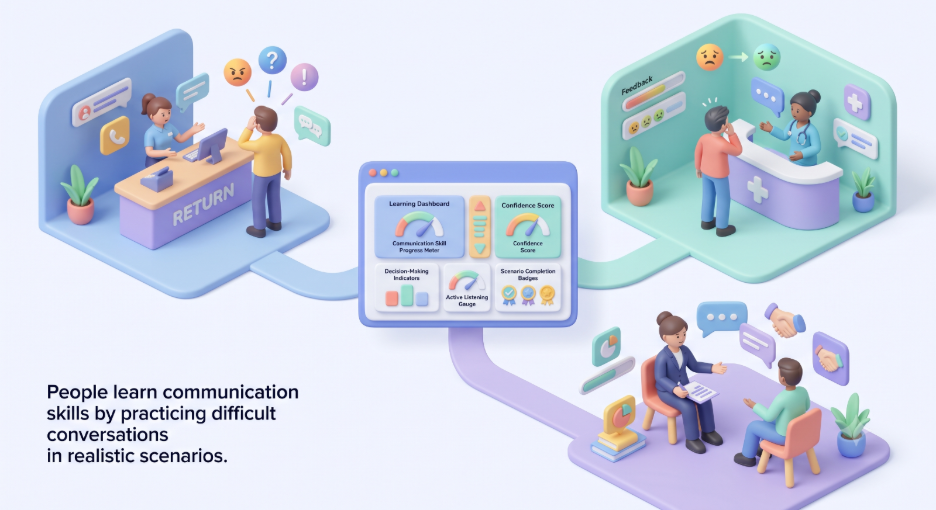
When we evaluate the core competencies required for frontline success, customer interaction skills consistently rank at the top. Whether an employee is managing a complex retail return, de-escalating a frustrated patient in a busy clinic, or negotiating a critical service contract, their ability to communicate effectively under pressure dictates the outcome. However, despite the universal recognition of […]
Building Job Ready Skills: How Active Practice Prepares the Workforce

The ultimate measure of any vocational or corporate training programme is the immediate capability of its graduates. Employers are not looking for encyclopaedic theoretical knowledge; they are looking for employees who possess practical, verifiable job ready skills from their first day on the floor. Whether it involves managing a complex retail dispute, operating heavy machinery safely, or delivering sensitive patient care, […]
Scenario-Based Training: How AI Characters Make Practice Feel Real

Scenario-based training (SBT) is an active learning method that places learners inside realistic, simulated situations where they must make decisions, respond to challenges, and experience the consequences of their choices, all without real-world risk.